
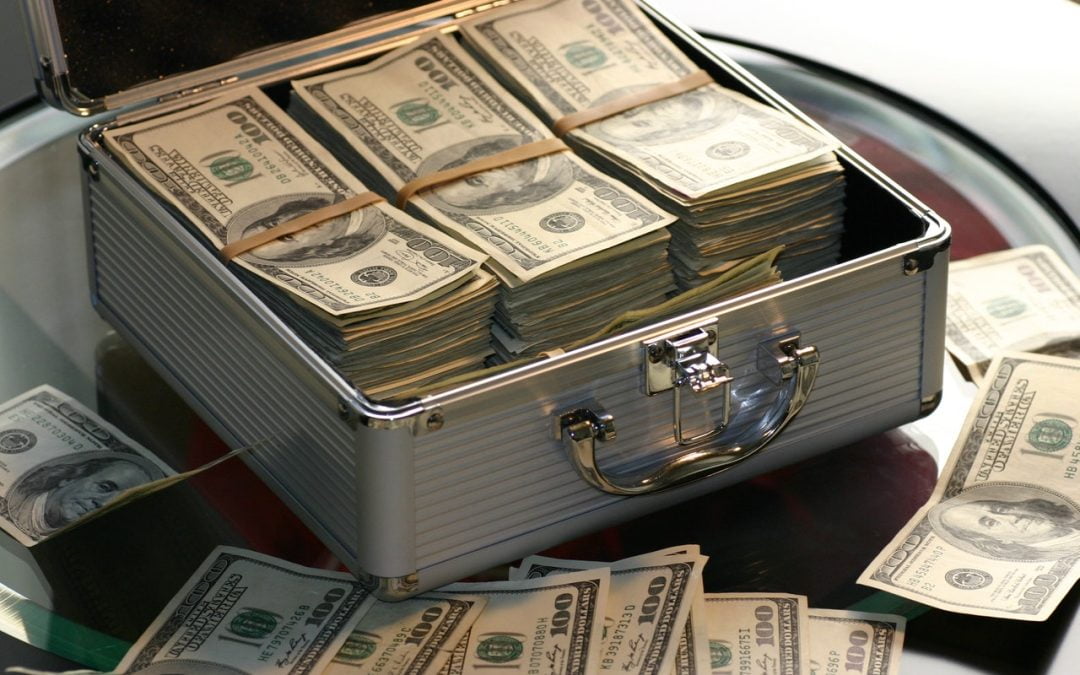
A safe is a secure place to store your valuables, such as jewelry, cash, and important documents. It can also provide peace of mind by keeping your possessions protected from theft or damage.
Most people choose to keep their safes in the home, where they are easily accessible in case of an emergency. Safes can be installed in a variety of locations, including near the bed or in a closet.
There are a number of different types of safes available on the market, so it is important to do your research before making a purchase. Some factors to consider include the size of the safe, the type of security it offers, and whether it is fireproof or waterproof.
Safes are great acquisitions for homeowners to set up for valuables. They are simple to install and have a wealth of benefits. Here are some tips on how to get started with a new safe, and what you should expect.
What should I be putting in my safe?
Safes are most often associated with financial valuables. However, they can be great for several other commodities.
Documents and family photos – memories are everything in the long run. Take this into account when you store your photo albums and anything physically in the home. Although most work is now done digitally, it’s still important to keep in mind. Documents on the other hand need to be kept safe. This can be where you place the original if, for example, you have a copy in your filing cabinet. Important identifying documents such as passports, birth certificates, and marriage licenses should all be stored in a safe.
Jewelry – no matter the amount of value it has financially or emotionally, jewelry deserves to be protected from harm. Place these items in your safe for additional security rather than leaving them out on display.
Money – this is the most essential item to be stored in a safe. Store your cash, credit cards and other financial items safely in a secure place.
Firearms – should also be kept in safes for safety purposes. Your safe should have locks that meet local laws on storage requirements, as well as any additional measures you may feel necessary.
Common mistakes to avoid with safes
Chemicals and technology – These should be avoided at all costs. If you put chemicals and electronics in your safe, there’s a high chance that over time they will cause an accident and damage the safe. In the worst case, they can even start a fire inside of the safe. Luckily, most safes are fireproof, so you’ll have a chance to preserve the materials.
Gun safes – These are entirely different than most general safes. Gun safes are fitted for storing weapons and should be treated as such. More general-use safes are better for other items. You shouldn’t be storing any weapons in run-of-the-mill safes, as these can be massive safety hazards for families.
Materials that you regularly access – If you regularly need to access an item in your safe, make a copy of it if possible. If that isn’t possible, it’s best to store it in the most easily accessible position. This is to avoid you having to move anything around or potentially losing track of other items.
If you have any questions about your safe’s locks or other safety precautions, give us a call today.